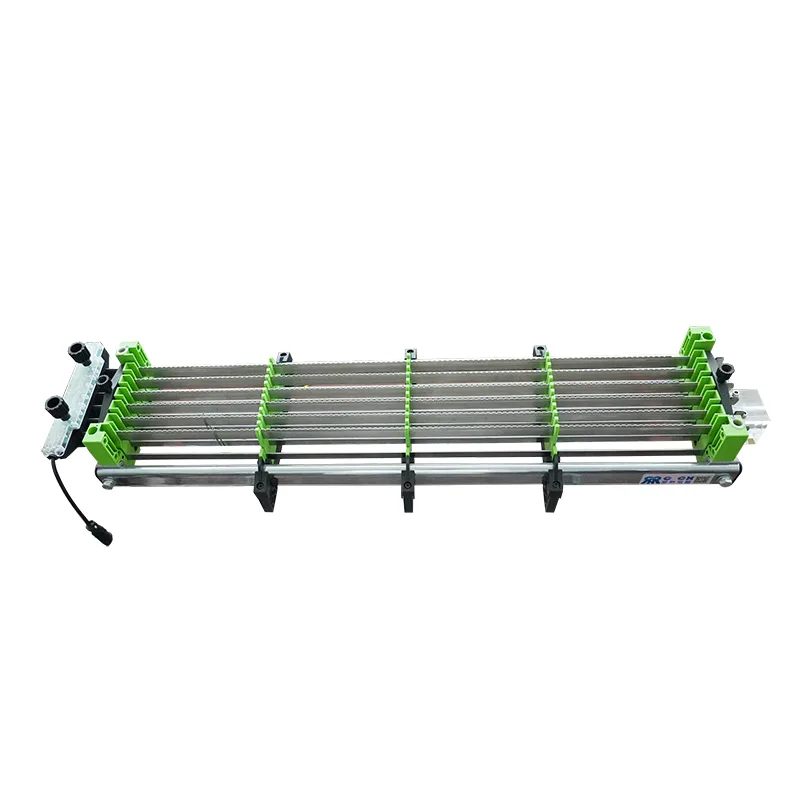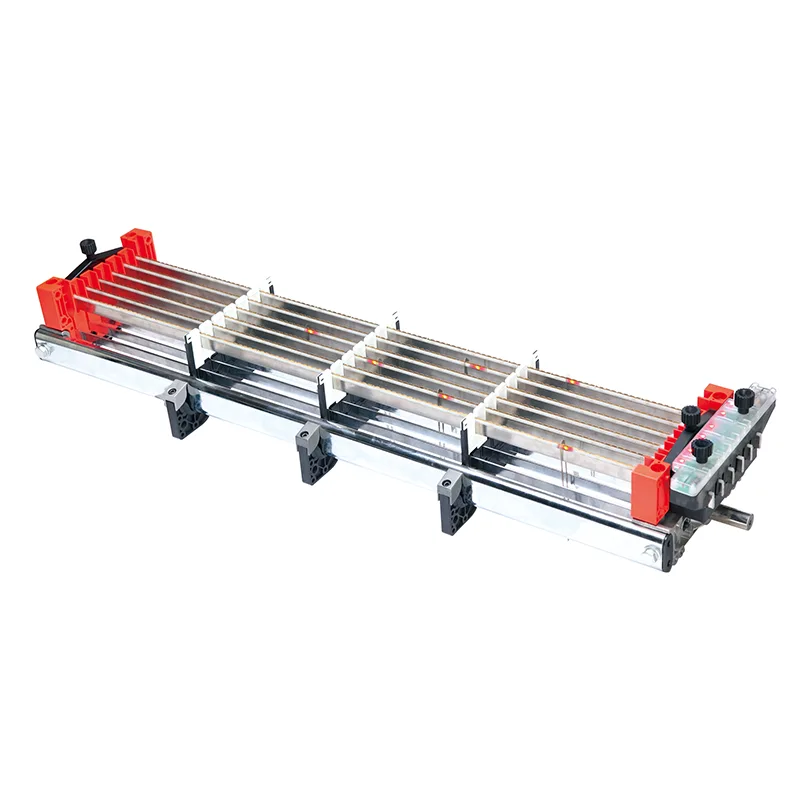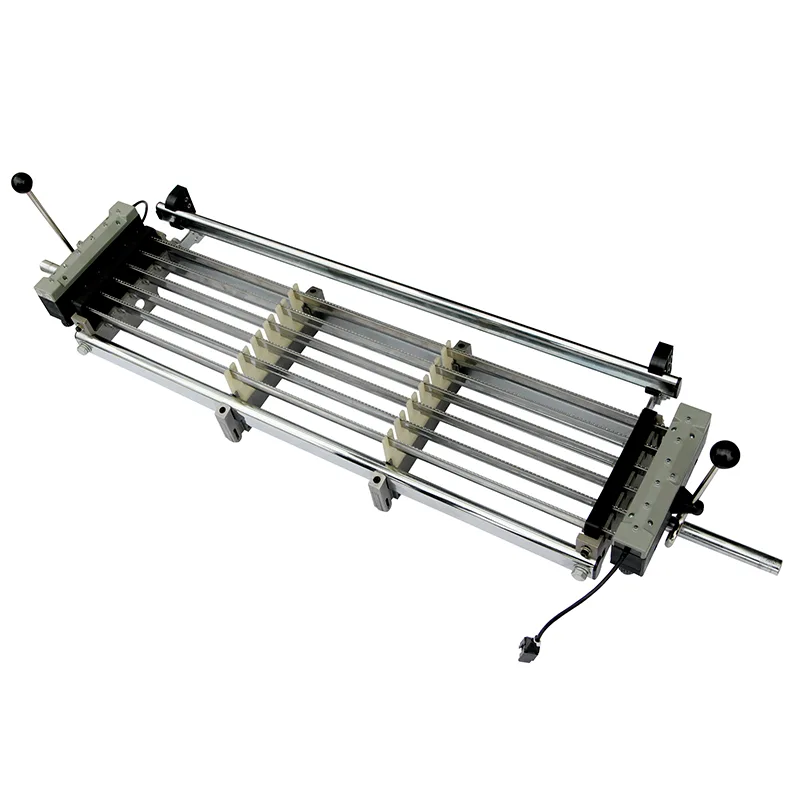
The universal 8-row warp stop device for shuttleless looms is a critical warp break detection and stop control component. It monitors the warp yarn status in real time and triggers a loom stop when anomalies such as warp breakage or looseness occur, preventing defective fabric. The following describes its functional principles, structural features, application scenarios, and advantages:
Core Functions and Working Principles
1. Warp Break Detection Principle
The device consists of eight rows of drop wires (typically thin metal sheets, each row corresponding to a group of warp yarns), conductive electrodes, and a control circuit. During normal weaving, the warp-supporting drop wires remain suspended, disconnecting the circuit. When a warp yarn breaks or becomes loose, the drop wires fall under their own weight, contacting the electrodes and switching on the circuit, triggering an emergency stop for the loom.
The detection accuracy is down to a single warp yarn, with a response time of ≤0.1 second, ensuring immediate loom stop upon a warp break, reducing fabric waste.
2. Universal Design Features
Compatible with a variety of looms: Compatible with shuttleless looms such as rapier looms, air jet looms, and water jet looms, the system can be adapted to different loom models by adjusting the mounting bracket and electrical interface.
Multi-row Synchronous Monitoring: Eight rows of drop wires are arranged in parallel, each row accommodating 50-100 warp yarns (adjusted according to fabric density), covering weaving needs on looms with widths of 1.5-3 meters.
Structural Components and Key Components
1. Mechanical Structure
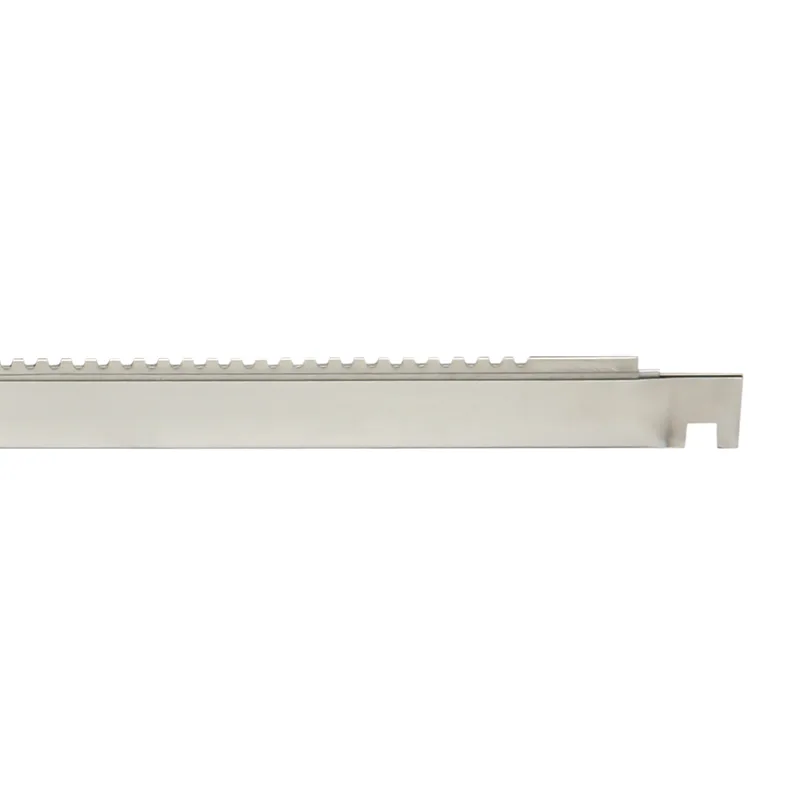
Drop Wire Assembly:
Material: Made of stainless steel or aluminum alloy thin sheets, 0.1-0.3mm thick, they are wear-resistant and lightweight (approximately 5-10g/piece), eliminating additional tension on the warp yarns.
Shape: Common slot or hole designs. The warp yarns pass through the central groove or eyelet of the drop wires, ensuring they can fall freely in the event of a break. Mounting Frame:
An aluminum alloy or cast iron frame is bolted between the loom's rear beam and the heald frame. Its height is aligned with the warp yarn layer to ensure the drop wires hang vertically.
2. Electrical Control System
Electrodes and Circuits: Conductive copper bars or electrode plates are installed on both sides of the frame, forming a closed circuit with the drop wires and connecting to the loom's PLC control system.
Signal Processing: When a warp breaks, the circuit is energized, outputting a high-level signal to the loom's main control system, triggering a stop and displaying the warp break location (some models support column positioning).
Application Scenarios and Fabric Types
1. Applicable Weaving Scenarios
Apparel Fabric Production: Used for weaving shirts, denim, and suit fabrics with high warp density (e.g., 100-300 yarns/10cm). Warp break detection must be accurate down to the individual yarns to avoid defects such as holes and thin threads in the fabric. Industrial textiles: Heavy-duty fabrics such as geotextiles, tarpaulins, and fire hose base fabrics require high-strength warp yarns (such as polyester industrial yarn and aramid fiber). Warp breakage creates significant impact, requiring a quick response from the warp stop device to prevent yarn entanglement.
Home textiles: Curtain fabrics, sofa fabrics, and bedding fabrics require high appearance. Warp breakage detection can reduce post-dyeing defective product rates.
Installation and Maintenance Key Points
Installation and Commissioning:
The drop wire suspension height must match the heald frame's trajectory to avoid collision with the healds and reed.
Adjust the electrode spacing to 0.5-1mm to ensure reliable circuit continuity when the drop wire is lowered and to prevent accidental contact.
Daily Maintenance:
Clean fiber lint from the drop wire surface weekly to prevent adhesion and detection failure. Check the electrode contact resistance quarterly; the resistance should be less than 1Ω.
When weaving yarns with a high coefficient of friction (such as coarse cotton yarn), replace the drop wire every 1000 hours to prevent wear and tear that may reduce detection sensitivity.