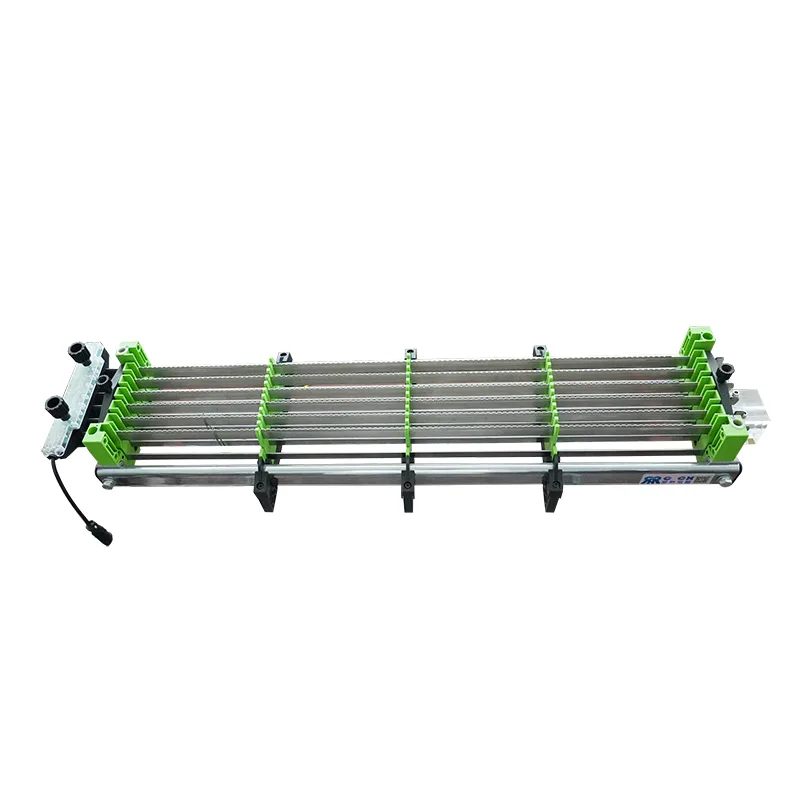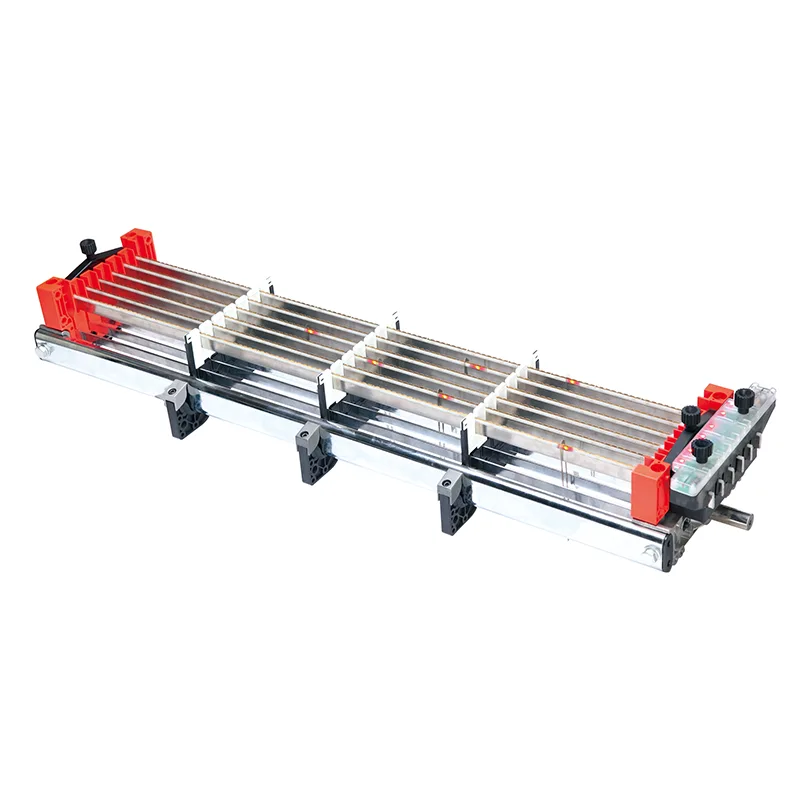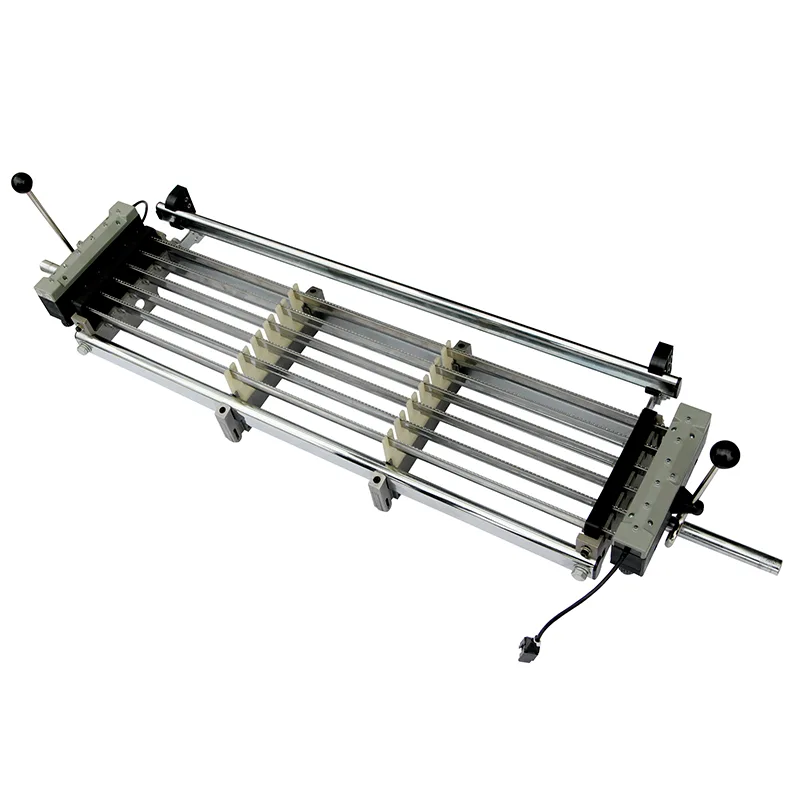
The warp-stop electrical box controls loom operation in the following ways:
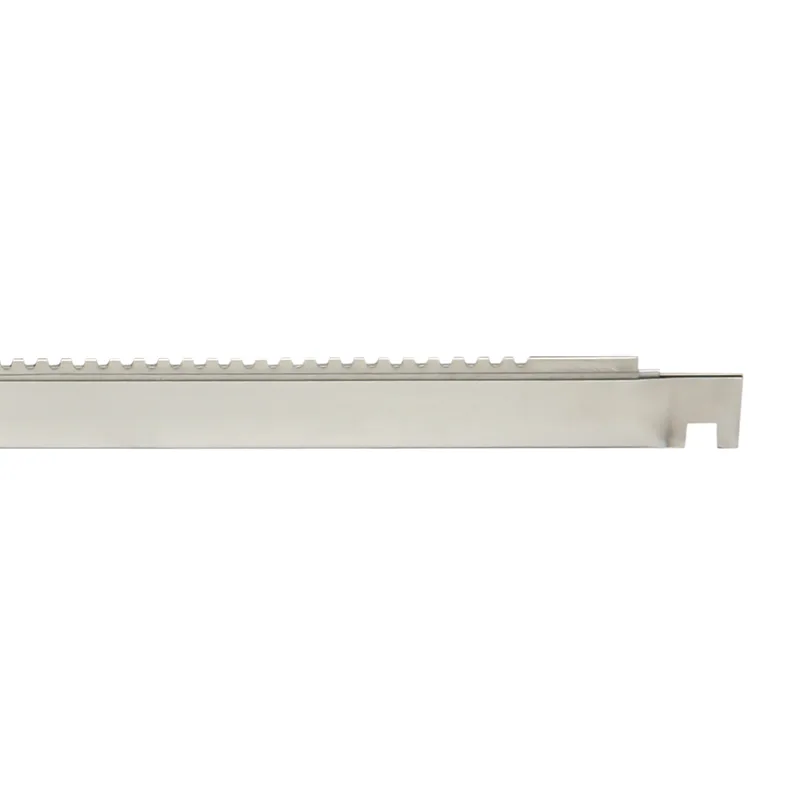
1. Detecting warp yarn status: The warp-stop electrical box is connected to the drop bar, which is strung with drop wires. Each warp yarn passes through its corresponding drop wire. During normal loom operation, the warp yarns are taut, and the drop wires are held up and away from the drop bar. At this point, the insulating clips isolate the chip on the drop bar from the iron cladding, rendering it non-conductive. The detection circuit in the electrical box determines that the warp yarns are normal, and the loom continues to operate. If a warp yarn breaks, the drop wire, previously suspended in the air, loses its connection to the warp yarn and falls onto the drop bar. This causes the insulated chip to connect to the iron cladding. The detection circuit detects this circuit change and converts it into an electrical signal.
2. Signal processing and transmission: The detection circuit processes and analyzes the detected electrical signal. Once a warp yarn break is confirmed, the signal is transmitted to the loom's main control system via the output circuit.
3. Controlling loom start and stop: Upon receiving the warp break signal from the warp stop electrical box, the loom's main control system immediately activates components such as the loom's brake system and clutch, quickly stopping the loom. This prevents fabric defects caused by continued weaving due to warp yarn breakage. Once the warp yarn problem is repaired, the loom's main control system sends a reset signal to the warp stop electrical box. Upon receiving this signal, the reset circuit within the warp stop electrical box restores the step-down circuit and other components to their initial state, preparing for the next detection and control cycle. The loom can then restart.