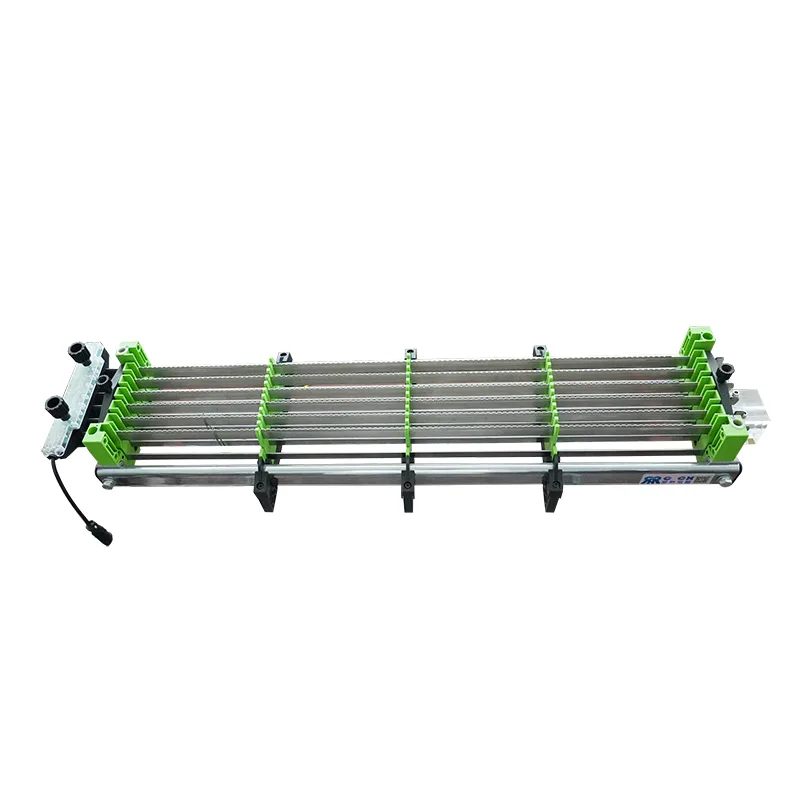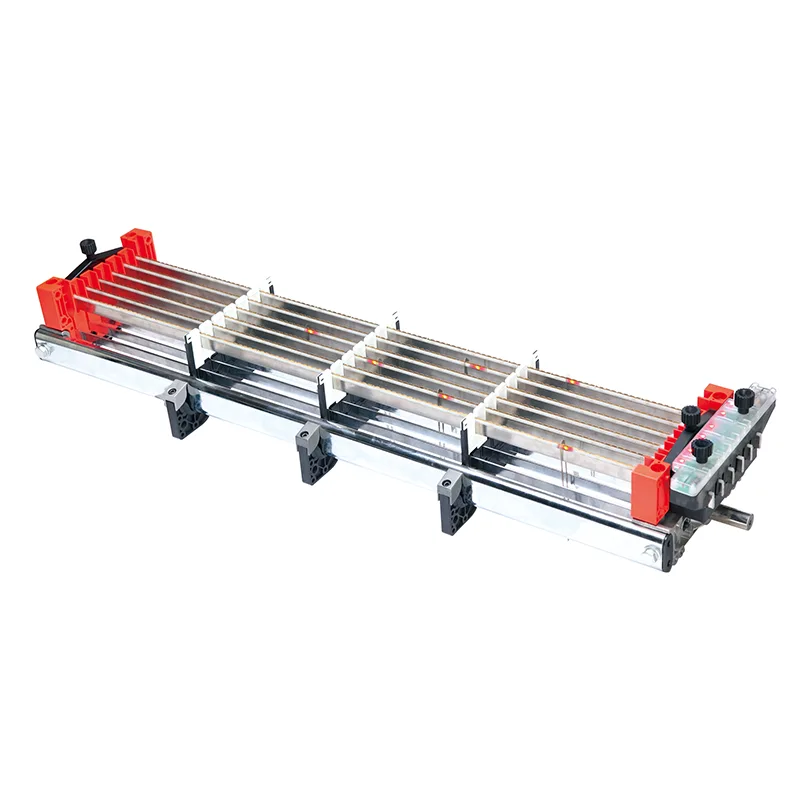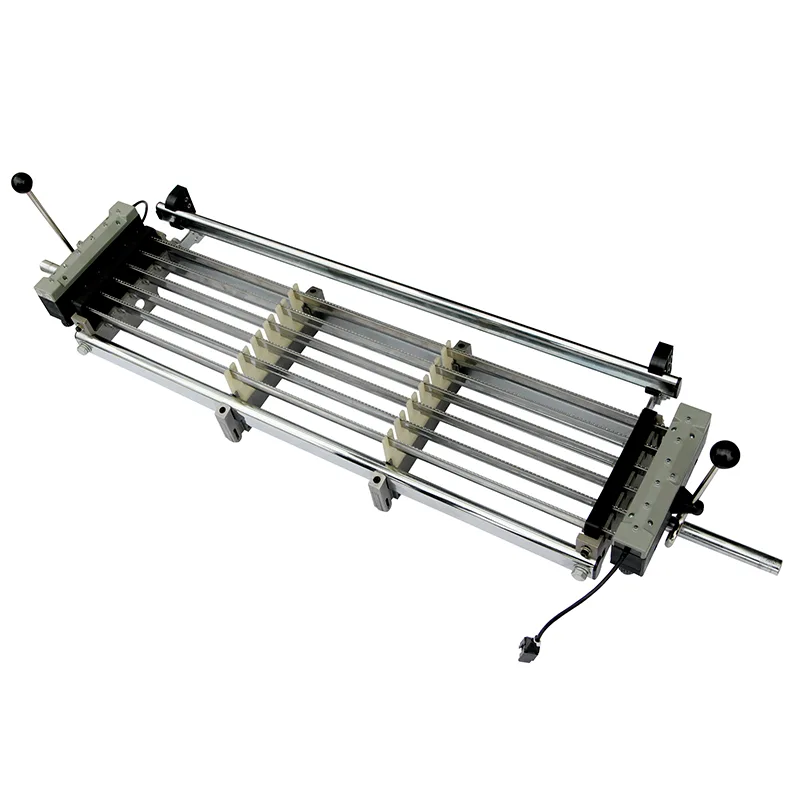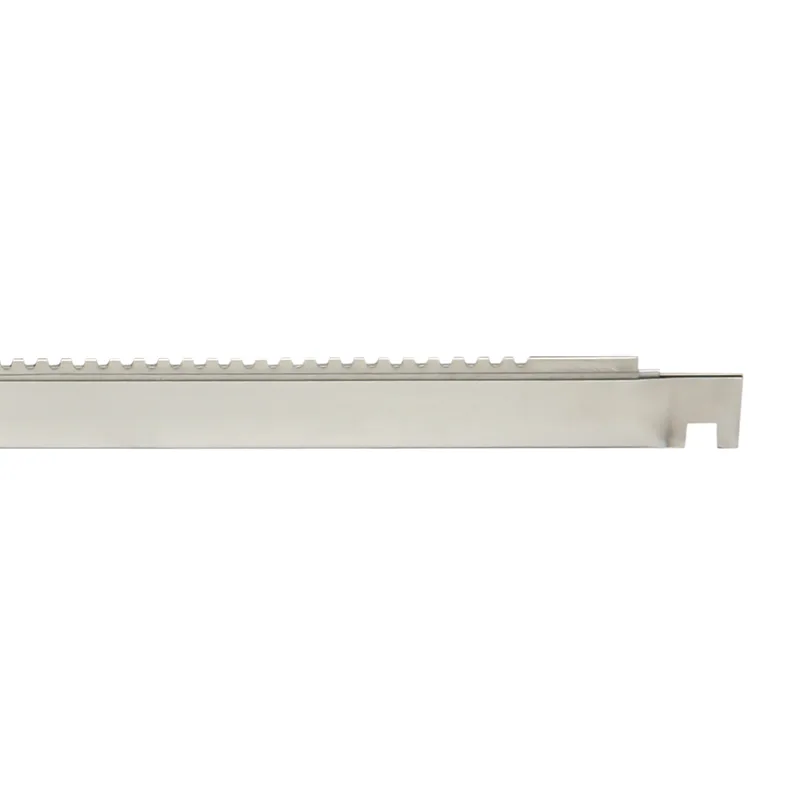
Adjusting the warp position of the warp stop frame can be done from the following perspectives:
1. Forward/Backward Adjustment
Based on the warp yarn characteristics: If the warp yarn is well-sizing and the single yarn is strong, the warp stop frame can be moved as far back as possible. This increases the warp opening length, reduces the magnitude of repeated stress on the warp yarn, and thus reduces the warp break rate. If the warp yarn is poorly sizing and has high hairiness, the warp stop frame should be moved as far forward as possible. This reduces the length of warp yarn friction and improves the sensitivity of the warp stop during warp break, reducing cobweb defects. In this case, the warp tension should also be appropriately reduced.
2. Height Adjustment
Based on the warp yarn conditions: A high warp stop frame position results in less warp dropout and less impact on the warp yarn. However, the warp stop frame sensitivity is low, which can easily lead to cobweb defects and missed warps. Furthermore, if the warp stop frame is too high, it will lose its function as a backrest. Generally, the warp stop frame should not be higher than the warp position line. A low warp stop frame position increases the sensitivity of warp breakage stops and reduces the chance of cobweb formation. This is particularly effective for warp yarns with poor sizing quality and high hairiness. However, if the warp stop frame is too low, the oscillation of the drop wires will increase the impact load on the warp yarns. If the warp yarn strength permits, the warp stop frame should be lowered as much as possible.
Adjusting the height of the backrest: The height of the warp stop frame should be adjusted accordingly to the height of the backrest, requiring a 1-2mm gap between the warp stop frame and the warp yarns.
When adjusting the warp yarn position on the warp stop frame, it is important to carefully measure and inspect to ensure that the position and angle of the warp stop frame meet the requirements. Also, check that the drop wires are correctly installed and can effectively detect warp yarn breaks. Adjustment methods and details may vary depending on the loom model and warp stop frame type, so specific procedures should be tailored to the specific situation.